
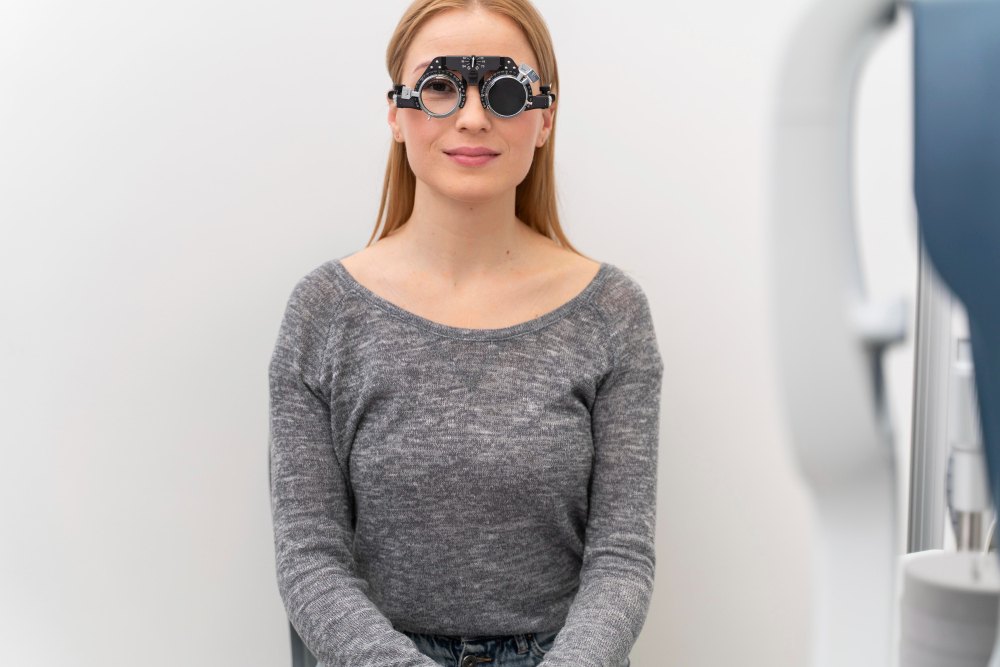
เลสิกเป็นการรักษาปัญหาสายตาที่เหมาะสมสำหรับคนยุคใหม่อย่างยิ่ง หลายๆ คนอาจจะเห็นว่าการทำเลสิกมีประโยชน์ในหลายๆ ด้าน แต่อย่างไรก็ดีหากว่าคุณเป็นคนที่สงสัยว่าการทำเลสิก ดีหรือไม่อย่างไร และเหตุผลที่ควรทำเลสิก ราคาถูกหรือแพงก็ได้ มีเหตุผลดีๆ ข้อใดมารองรับบ้าง พร้อมแล้วมาดูกัน
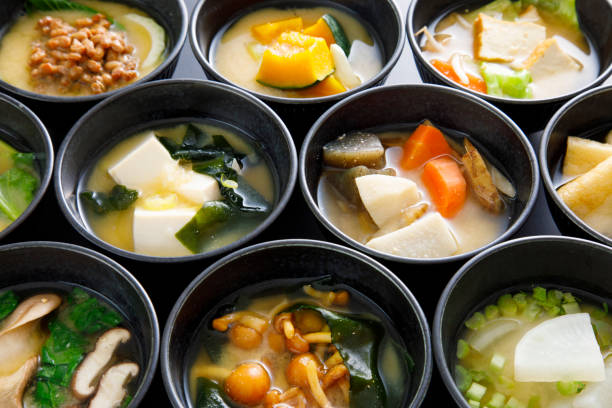
โปรตีนถั่วเหลือง เสริมสุขภาพสร้างกล้ามเนื้อไม่แพ้โปรตีนจากสัตว์โปรตีนถั่วเหลือง เสริมสุขภาพสร้างกล้ามเนื้อไม่แพ้โปรตีนจากสัตว์
โปรตีน คือแหล่งพลังงานที่สำคัญสำหรับร่างกาย ที่จะช่วยเสริมให้สุขภาพแข็งแรง และเราทุกคนรู้กันดีว่าโปรตีนที่สำคัญจะมาจากเนื้อสัตว์ นม ไข่ และ ถั่วเหลืองในยุคปัจจุบันหลายคนนิยมรับประทานอาหารคลีนอาหารทางเลือกหรือแม้แต่มังสวิรัติก็เลือกที่จะหาแหล่งโปรตีนทดแทนและ โปรตีนถั่วเหลือง เป็นคำตอบแรกที่น่าสนใจ เพราะสามารถหารับประทานได้ง่าย ไม่ว่าจะเป็นในรูปแบบของนมถั่วเหลือง หรือผลิตภัณฑ์โปรตีนจากถั่วเหลือง ซึ่งในยุคปัจจุบันก็มีการผลิตอาหารเสริม ที่เน้นโปรตีนจากถั่วเหลืองโดยเฉพาะและปลอดภัยรับประทานง่าย วันนี้เราก็จะมาทำความรู้จักเกี่ยวกับอาหารเสริมแนวนี้กัน ดูแลสุขภาพด้วยโปรตีนจากถั่วเหลืองทานง่ายไม่อันตราย โปรตีนถั่วเหลือง สามารถเสริมสร้างความแข็งแรงของร่างกาย ได้ไม่แพ้โปรตีนจากสัตว์ และในยุคปัจจุบันกลุ่มผู้ที่รับประทานอาหารเจ อาหารมังสวิรัติ หรืออาหารทางเลือกคือ ไม่รับประทานเนื้อสัตว์ แต่ก็ไม่ขาดโปรตีน แม้ว่าเนื้อสัตว์บางชนิดที่เป็นแหล่งโปรตีนสำคัญ การเสริมโปรตีนทางเลือก จะช่วยให้ร่างกายไม่ขาดโปรตีนที่จำเป็นในการ เสริมสร้างมวลกล้ามเนื้อ และยังสามารถกระตุ้นการทำงานของร่างกายตามปกติและในโปรตีนของถั่วเหลืองมีประโยชน์หลายด้านเช่น

เหตุผลที่คนมองหาผู้รับสร้างบ้านราคาไม่แพงเหตุผลที่คนมองหาผู้รับสร้างบ้านราคาไม่แพง
อาจจะกล่าวได้ว่าการสร้างบ้านในปัจจุบันนี้เป็นสิ่งที่ได้รับความนิยมอย่างมาก เนื่องจากว่าบ้านจัดสรรอาจจะไม่ตอบโจทย์คนอยู่อาศัยสักเท่าใดแล้ว แต่ละคนเองก็ต้องการฟังก์ชั่นในการสร้างบ้านที่แตกต่างกันออกไป นอกจากนี้บางคนเองก็ต้องการที่จะสร้างบ้านในสไตล์ที่เป็นเรา บางคนมีที่ดินอยู่แล้ว ไม่อยากได้พื้นที่ใหม่เป็นต้น อย่างไรก็ดี เหตุผลที่หลายๆ คนมองหาผู้รับสร้างบ้านราคาไม่แพงมีดังต่อไปนี้ 1.ต้องการประหยัดเงิน สำหรับการสร้างบ้านแต่ละหลังนั้น ต้องบอกเลยว่าใช้งบประมาณที่สูงค่อนข้างมาก อาจจะกล่าวได้ว่าหากใครที่อยากให้การสร้างบ้านเป็นไปอย่างราบรื่นและเรียบร้อย สิ่งที่สำคัญมากที่สุดก็คือการประหยัดเงินของเราเองให้ได้มากที่สุดเท่าที่จะทำได้ โดยการประหยัดเงินอย่างที่หลายๆ คนต้องการก็คือ การมองหาผู้รับสร้างบ้านราคาไม่แพงนั่นเอง จะดีกว่าหรือไม่ หากเรานั้นพยายามเลือกให้เหมาะสม และตอบโจทย์ของเราเอง รับประกันได้เลยว่า ไม่ว่าใครก็จะต้องถูกใจอย่างแน่นอน 2.ต้องการบ้านที่ราคาสมเหตุสมผล อีกหนึ่งเหตุผลที่หลายๆ คนอยากได้บ้านดีๆ มีคุณภาพก็คือ ความต้องการบ้านที่สมเหตุสมผล อาจจะกล่าวได้ว่าบ้านที่ราคาสมเหตุสมผลในปัจจุบันนั้นหาได้ยากยิ่งหากว่าเราไม่ได้สร้างขึ้นเอง จะดีกว่าหรือไม่ หากเราได้บ้านอย่างที่ใจของเรานั้นต้องการ
มาเลือกซื้อที่ดินให้ถูกหลักฮวงอยู่แล้วสบาย อยู่แล้วดวงดีมาเลือกซื้อที่ดินให้ถูกหลักฮวงอยู่แล้วสบาย อยู่แล้วดวงดี
หลักฮวงจุ้ย ถ้าคนไทยเราหลายคนอาจจะมองข้าม แต่สำหรับบาคนแล้วไม่ว่าจะที่ดินหรือบ้าน จะต้องมีการดูตามหลักฮวงจุ้ยเสียก่อน เพราะความสบายใจของผู้ซื้อและผู้อยู่อาศัย หลายคนเชื่อว่าฮวงจุ้ยนี้จะช่วยเสริมโชค เสริมดวงชะตาชีวิตของผู้อยู่อาศัยได้ เรียกได้ว่าถ้าที่ดินดี ถูกตามหลกฮวงจุ้ย ชีวิตก็จะดีไปด้วย ดังนั้นวันนี้เรามาเลือกซื้อที่ดินให้ถูกตามหลักฮวงจุ้ยกันเลยดีกว่า เพื่อให้การอยู่อาศัยนั้นมีแต่ความสุข แหล่งที่มาของที่ดิน เป็นสิ่งแรกที่อยากจะให้ทุกคนทำตามและข้ามไม่ได้เลย เพราะเป็นหลักการพื้นฐานที่ใครๆ ก็ทำได้ โดยก่อนจะซื้อที่ดินเปล่า ให้ลองสอบประวัติที่ดินว่าแต่ก่อนนั้นได้เคยทำอะไรมาแล้วบ้าง ที่ดินที่ดีต้องไม่เคยผ่านการใช้งานหรือทำธุรกิจที่เกี่ยวกับความเจ็บป่วยหรือการเสียชีวิต นอกจากนี้ไม่ควรมีผู้เสียชีวิตภายในที่ดินแปลงนั้น หากมีควรทำพิธีทางศาสนาเพื่อให้วิญญาณไปสู่ภพภูมิที่ดีขึ้น ลักษณะของที่ดิน ลักษณะที่ดินรูปสี่เหลี่ยมจัตุรัสถือว่าดีที่สุด เนื่องจากสามารถใช้สอยพื้นที่ได้เต็มประสิทธิภาพมากที่สุด สามารถวางแบบก่อสร้างได้ง่าย มีข้อจำกัดในการก่อสร้างน้อย ลักษณะที่ดินที่ดีรองลงมาคือ สี่เหลี่ยมผืนผ้า โดยเฉพาะที่ด้านหน้ากว้างติดถนนถือว่าดีเหมาะสำหรับทำธุรกิจค้าขาย เพราะสามารถมีทางเข้าออกได้หลายทาง

ทำความรู้จักกับ นม free lactose ทางเลือกใหม่สำหรับผู้ที่แพ้นมวัวทำความรู้จักกับ นม free lactose ทางเลือกใหม่สำหรับผู้ที่แพ้นมวัว
หากพูดถึงนมเชื่อได้เลยว่าทุกท่านจะต้องชื่นชอบกันอย่างแน่นอน เนื่องจากในปัจจุบันมีนมให้เลือกหลากหลายประเภท ไม่ว่าจะเป็น นมจืด นมเปรี้ยว นมช็อกโกแลต รวมทั้งนมรสชาติอื่น ๆ อีกมากมาย และนมเหล่านี้ล้วนผลิตมาจากนมวัวทั้งสิ้น ซึ่งนมวัวจะถือเป็นวัตถุดิบทางธรรมชาติที่มีความพิเศษเป็นอย่างมาก เพราะจะเต็มไปด้วยประโยชน์ และยังมีคุณค่าทางอาหารอีกมากมาย สามารถนำมาใช้ในอุตสาหกรรมอาหารและเครื่องดื่มได้หลากหลายเลยทีเดียว แต่ทั้งนี้กลับมีผู้บริโภคบางกลุ่มที่ไม่สามารถดื่มนมวัวได้ เนื่องจากอาการแพ้นมแลคโตส ดังนั้น นม free lactose จึงเป็นทางเลือกใหม่สำหรับผู้บริโภคในกลุ่มนี้ นม free lactose คืออะไร สำหรับ นม free lactose จะเป็นนมวัวแท้

พลิกลิขิตฟ้า ชะตารุ่งโรจน์ ด้วยซิมเบอร์ดีราคาถูกพลิกลิขิตฟ้า ชะตารุ่งโรจน์ ด้วยซิมเบอร์ดีราคาถูก
เมื่อชีวิตถึงคราวตกต่ำ ประสบกับปัญหาติดขัดจนพาให้เกิดความล้มเหลวในทุก ๆ เรื่อง ซิมเบอร์ดีราคาถูกช่วยคุณได้หลายคนจึงอดไม่ได้ที่จะมีความเชื่อในเรื่องโชคลาง ที่อยู่เหนือกฎเกณฑ์ของธรรมชาติ บางเรื่องก็เหลวไหล บางเรื่องก็สร้างปรากฏการณ์มหัศจรรย์ พลิกชีวิตผู้ที่มีความเชื่อและพิสูจน์ตัวมันเองได้อย่างน่าประหลาด โดยเฉพาะเรื่องของตัวเลขเปลี่ยนชะตาชีวิต ที่ได้รับความเชื่อถือมาช้านาน ไม่ว่าจะเป็นเลขที่บ้าน ทะเบียนรถ หรือเบอร์มือถือมงคลที่มีขายอยู่มากมายตามเว็บไซต์ต่าง ๆ รวมไปถึงการทำนายเบอร์มงคลที่สามารถตรวจดูได้อย่างแพร่หลายโดยไม่ต้องพึ่งหมอดูให้เปลืองเงินทอง ซึ่งแน่นอนว่าศาสตร์แห่งตัวเลขเหล่านี้มีที่มาจากหลาย ๆ ตำราด้วยกัน การจับคู่ตัวเลขจากซิมเบอร์ดีราคาถูกหรือกลวิธีคำนวณตัวเลขกำหนดชะตาก็ย่อมแตกต่างกันไปตามความเชื่อของบุคคลเหล่านั้น แต่ทั้งนี้ทั้งนั้น ไม่มีตำราใดที่ผิดถูกอย่างชัดเจน เพราะสุดท้ายแล้ว ผลลัพธ์ก็เป็นไปในทิศทางเดียวกัน คือช่วยปรับเส้นทางเดินของชีวิตให้มีความราบรื่นขึ้น ตามรายละเอียดที่ยกมาเป็นตัวอย่างด้านล่างนี้ การคิดคำนวณกำลังตัวเลขจากซิมเบอร์ดีราคาถูกในรูปแบบต่าง ๆ มีดังนี้ 1.
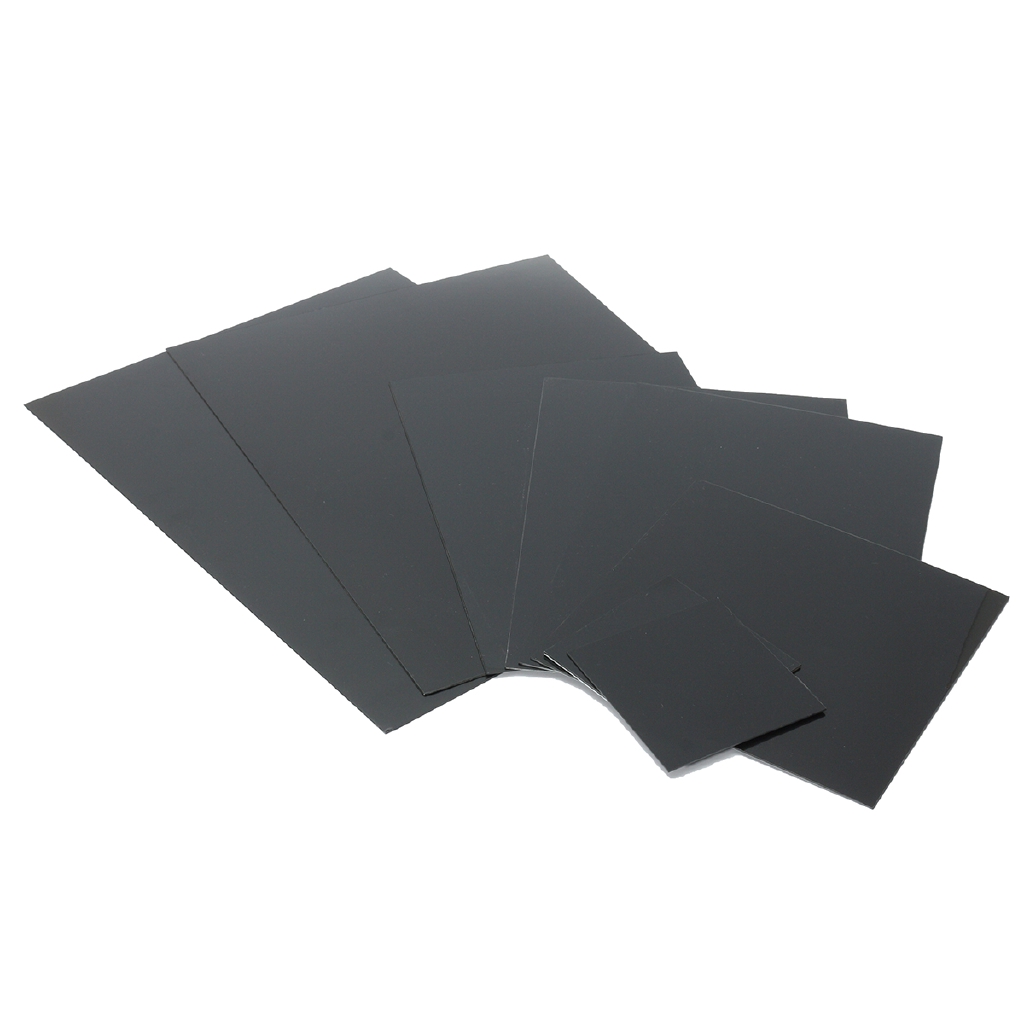
แผ่น abs แผ่น hip พลาสติกวิศวกรรม กับ คุณสมบัติที่น่าสนใจแผ่น abs แผ่น hip พลาสติกวิศวกรรม กับ คุณสมบัติที่น่าสนใจ
แผ่น abs แผ่น hip พลาสติกวิศวกรรมที่หาซื้อได้ทั่วไป แถมยังนำไปใช้ประโยชน์ได้หลากหลาย นำมาประยุกต์ใช้งานตามความต้องการ เป็นพลาสติกที่ถูกนำไปใช้ในอุตสาหกรรมการผลิตต่างๆ เช่น อุตสาหกรรมผลิตส่วนประกอบเครื่องใช้ไฟฟ้า อุตสาหกรรมผลิตชิ้นส่วนยานยนต์ ฯลฯ ใช้ในงานตกแต่งภายใน ตกแต่งภายนอก ฯลฯ แผ่น abs ย่อมาจาก อะคริโลไนไตรล์-บิวทาไดอีน-สไตรีน (Acrylonitrile-butadiene-styrene) เทอโมพลาสติกชนิดหนึ่งที่เราสามารถพบเห็นหรือสัมผัสได้ในชีวิตประจำวัน พลาสติกที่มีความแข็งแต่เปราะ แต่หากมีสมบัติแข็งเหนียวจะเป็นลักษณะอ่อนนิ่มร่วม อย่างไรก็ตาม พลาสติก ABS บางชนิดมีความแตกต่างจากพลาสติก ABS ทั่วไป
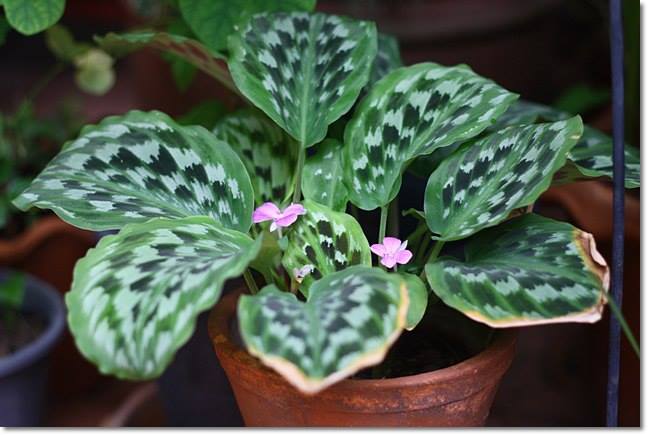
ทำความรู้จักกับว่านมงคลของไทย ปลูกแล้วดีทำความรู้จักกับว่านมงคลของไทย ปลูกแล้วดี
หากเราสังเกตดีดีจะพบว่าต้นไม้ของไทยส่วนใหญ่ล้วนแล้วแต่เป็นต้นไม้ที่มีชื่อมงคล ไม่ว่าเป็นกวักมรกต ช้อนเงินช้อนทอง เศรษฐีรับทรัพย์ ว่านรวยไม่เลิก และอื่น ๆ อีกมากมายที่ล้วนแต่เป็นชื่อมงคล โดยในการตั้งชื่อต้นไม้ของไทยในสมัยก่อนอาจจะตั้งขึ้นด้วยความเชื่อว่าต้นไม้เหล่านั้นจะนำความมงคลหรือสิ่งดีดีเข้ามาให้กับผู้ปลูกได้ ยกตัวอย่างเช่น ความเชื่อในการปลูกต้นขนุนไว้หลังบ้านจะช่วยให้มีคนคอยเกื้อหนุนตลอดเวลา หรือแม้แต่การปลูกต้นมะยมไว้หน้าบ้านจะช่วยให้คนนิยมชมชอบ เป็นต้น โดยต้นไม้มงคลของไทยนั้นมีมากโขเลยทีเดียว และหนึ่งในต้นไม้ที่มีช้านาน แถมยังมีความมงคล และมีสรรพคุณรวมไปถึงความเชื่อต่าง ๆ ก็คือต้นว่านนั่นเอง โดยในไทยเรามีต้นว่านอยู่จำนวนมากมายซึ่งแต่ละต้นก็มีความมงคลในแบบของตนเอง โดยในวันนี้เราจะมาแนะนำว่านมงคลของไทยให้ทุกคนได้รู้จักกันว่ามีต้นอะไรบ้าง แนะนำว่านมงคลของไทยให้ได้รู้จักกัน มาดูกันว่าต้นไม้ที่มีนามว่าว่านนั้นมีว่านอะไรที่น่าสนใจกันบ้าง ว่านมงคลต้นแรกที่อยากแนะนำให้ได้รู้จักกันคือว่านนกคุ้ม โดยว่านนกคุ้มนี้จะเป็นต้นไม้ที่มีลักษณะใบเป็นพุมสวยงามเรียงสลับกัน และมีลักษณะของใบเป็นใบปลายมนติ่งแหลม มีสีเขียวและมีลวดลายประสีเทาสลับกับสีเขียวเข้มกระจายทั่วอยู่ทั่วไป ซึ่งเมื่อมองดูดีดีแล้วจะมีลายเหมือนกันสีขนของนกคุ้ม จึงอาจทำให้เป็นที่มาของชื่อว่านนกคุ้มก็เป็นได้ โดยคนสมัยก่อนเชื่อว่าการปลูกว่านนกคุ้มสามารถช่วยป้องกันภัยหรืออันตรายได้
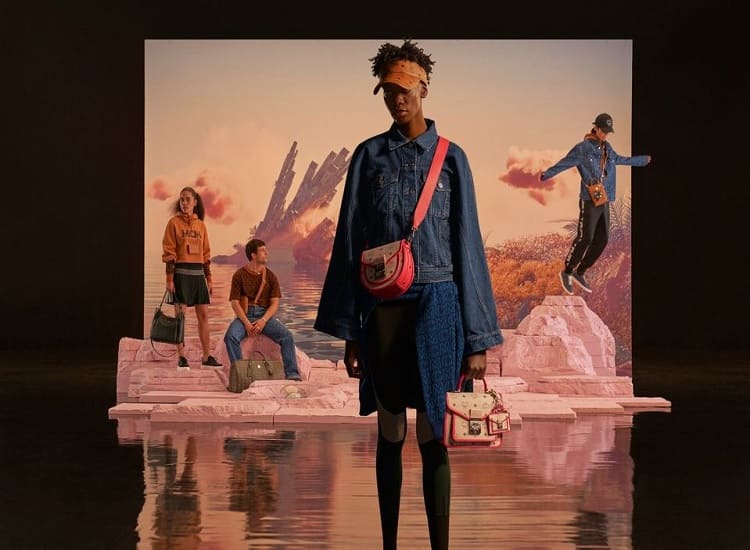
ถ้าเราจะขายกระเป๋าMCM นั้น ขายอย่างไรให้ปังถ้าเราจะขายกระเป๋าMCM นั้น ขายอย่างไรให้ปัง
•รับบทเป็นนักขาย กระเป๋าMCM นั้นเป็นกระเป๋าที่หลายหลายคนอยากมีไว้ครอบครอง ไฝ่ฝันที่อยากได้มันมาอยู่ด้วยและเมื่อเราเบื่อเรามีเราก็อยากจะขายเพื่อทำกำไรให้กับตัวเราเองแต่เราจะขายให้กับพวกรับซื้ออย่างไรเพื่อให้ได้ราคาที่ดีและราคาที่เหมาะสมกับราคากระเป๋า จะมีอะไรบ้างไปลองดูกันได้เลย •สิ่งที่ควรรู้ก่อนขายกระเป๋าให้กับร้านรับซื้อกระเป๋า MCM มือสอง กระเป๋า MCM นั้น เป็นกระเป๋าที่หลาย ๆ คนนิยมงั้นถ้าเกิดเราจะขายกระเป๋า MCM ให้กับร้านรับซื้อกระเป๋า MCM มือสองนั้นเราควรที่จะขายไปทุกอย่างที่เราซื้อมา ได้แก่ กระเป๋าผ้าที่ห่อตัวกระเป๋ายี่ห้อนี้มาอีกที และใบการันตีของแท้ เพื่อที่จะให้ร้านรับซื้อกระเป๋า MCM มือสองนั้นได้ไว้วางใจ ว่าเราซื้อกระเป๋าใบนี้จากช็อปร้านค้านี้จริง ๆ เพราะบางทีเมื่อเรามีกระเป๋าแต่ไม่มีใบการันตีก็เหมือนกับว่ากระเป๋าใบนั้นเป็นของก๊อปอย่างหาอะไรเทียบไม่ได้ กล่องของกระเป๋าที่ตั้งแต่แรกเมื่อเราซื้อมาก็ควรใส่เข้าไปด้วย และกระดาษลองกระเป๋าก็เป็นสิ่งสำคัญเพื่อที่จะทำให้เหมือนกับว่ากระเป๋าใบนั้นใหม่อยู่ตลอด การที่เราขายมห้กับร้านรับซื้อกระเป๋า
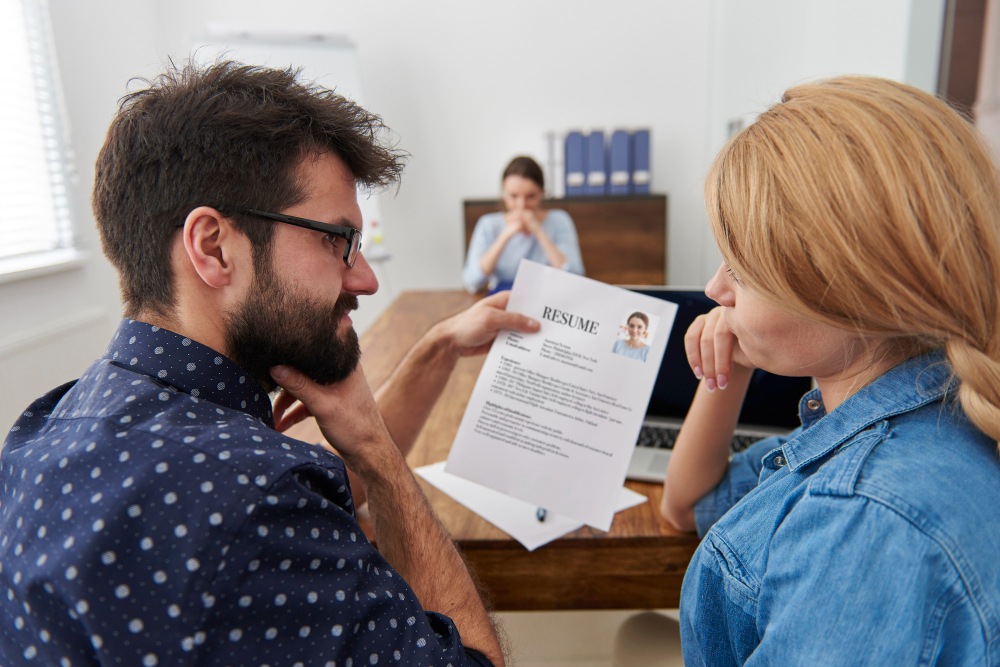
ความสำคัญของฝ่ายบุคคลความสำคัญของฝ่ายบุคคล
ในปัจจุบันการหางาน HR เป็นสิ่งที่ต้องคำนึงถึงเป็นอย่างมาก เนื่องจากตอนนี้บุคคลากรฝ่ายบุคคลค่อนข้างมีบทบาทในการจัดสรรหาบุคคลที่จะต้องมาเป็นพนักงานเพื่อปฏิบัติงานในฝ่ายงานต่าง ๆ ซึ่งจะต้องมีการรับสมัครพนักงานหลากหลายตำแหน่งไม่ว่าจะเป็นพนักงานในส่วนของการผลิต หรือส่วนของการทำงานในสำนักงาน ล้วนแล้วแต่เป็นการทำงานที่ต้องประสานงานกันทั้งสิ้น ไม่ว่าจะเป็นงานเล็กหรืองานใหญ่ล้วนแล้วแต่จะต้องใช้ทักษะในการอยู่ร่วมกันและประสานงานกันเพราะผลิตภัณฑ์ของบริษัทในการจัดทำขึ้นมาผ่านโรงงานใดโรงงานหนึ่งจะต้องมีการประสานงานกันหลากหลายฝ่าย ไม่ใช่เพียงแค่ฝ่ายใดฝ่ายหนึ่งเท่านั้น เช่นการผลิตที่ จะต้องมีการจัดหาวัตถุดิบเพื่อนำไปส่งมอบให้กับฝ่ายการผลิตทุกกระบวนการแล้วนำไปจัดตกแต่งชิ้นงานให้ดีที่สุดมีประสิทธิภาพครอบคลุมการใช้งานของลูกค้ามากที่สุดและสามารถทำงานด้วยความรับผิดชอบและมีข้อผิดพลาดทำให้เกิดของเสียจากกระบวนการผลิตได้น้อยที่สุด จึงถือว่าเป็นหน้าที่สำคัญของพนักงานฝ่ายบุคคลที่มาจากการหางาน HR ที่จะต้องมีความรู้และความเข้าใจเกี่ยวกับเนื้องานต่าง ๆ ของบริษัทว่ามีกระบวนการผลิตอย่างไร ต้องการบุคลากรในส่วนการผลิตเฉพาะทางด้านใดโดยจัดหาบุคคลอย่างรอบคอบสามารถทำงานได้อย่างมีคุณภาพผ่านเกณฑ์ระเบียบวินัยพื้นฐานที่เพิ่งจะมีในการทำงาน คุณสมบัติของฝ่ายบุคคล มีใจรักในการทำงานค่อนข้างสูงเพื่อให้งานออกมาอย่างมีประสิทธิภาพและประสิทธิผลมากที่สุด นอกจากนี้ยังมีหน่วยงานอีกหลายหน่วยที่จะต้องใช้พนักงานในการดำเนินการและควบคุมการผลิตไม่ว่าจะเป็นแผนกตรวจสอบคุณภาพแผนกการแพ็คสินค้าหรือแม้แต่ทีมวิศวกรผู้ที่มีบทบาทสำคัญในการควบคุมการผลิตให้เป็นไปอย่างปกติไม่มีข้อผิดพลาดใด ๆ เกี่ยวกับเครื่องมือเครื่องใช้เครื่องจักรเกิดขึ้น ซึ่งจะส่งผลต่อสินค้าหรือการให้บริการแก่ลูกค้าได้หากบริษัทนั้นนั้นรับสมัครผู้ที่ต้องการหางาน HR ที่ไม่มีคุณสมบัติและความสามารถเพียงพอที่จะทำหน้าที่ฝ่ายบุคคล อาจจะส่งผลให้ได้บุคลากรหรือพนักงานในหน่วยงานอื่น ๆ ที่ไม่เหมาะสมด้วยเช่นกันหรือไม่มีศักยภาพเพียงพอที่จะปฏิบัติหน้าที่ในตำแหน่งงานนั้น ๆ ได้ ซึ่งจะเป็นการส่งผลร้ายแรงในระยะยาวดังนั้นจึงควรเริ่มต้นจากการคัดสรรพนักงานที่จะมาสมัครงานในตำแหน่งฝ่ายบุคคลอย่างถี่ถ้วนก่อนเป็นลำดับแรก เพื่อให้มีความรู้ความสามารถและมีการตัดสินใจที่เฉียบแหลม มีจิตวิทยาในการวิเคราะห์บุคคลเพื่อให้มองทะลุเห็นถึงจิตใจความคิดความอ่านของผู้สมัครในตำแหน่งอื่น ๆ ได้อย่างเฉียบขาดและเป็นผู้ที่มีวินัยในตนเองสามารถเป็นแบบอย่างให้กับพนักงานหรือเพื่อนร่วมงานภายในบริษัทได้ตลอดระยะเวลาการทำงาน นอกจากนี้ยังควรมีคุณสมบัติช่างสังเกตเพื่อมองหาสิ่งที่ผิดปกติหรือบุคคลที่ไม่อยู่ภายใต้ในระเบียบวินัยของบริษัทเพื่อที่จะได้ทำการตักเตือนให้เป็นไปตามระเบียบวินัยของบริษัทต่อไป